
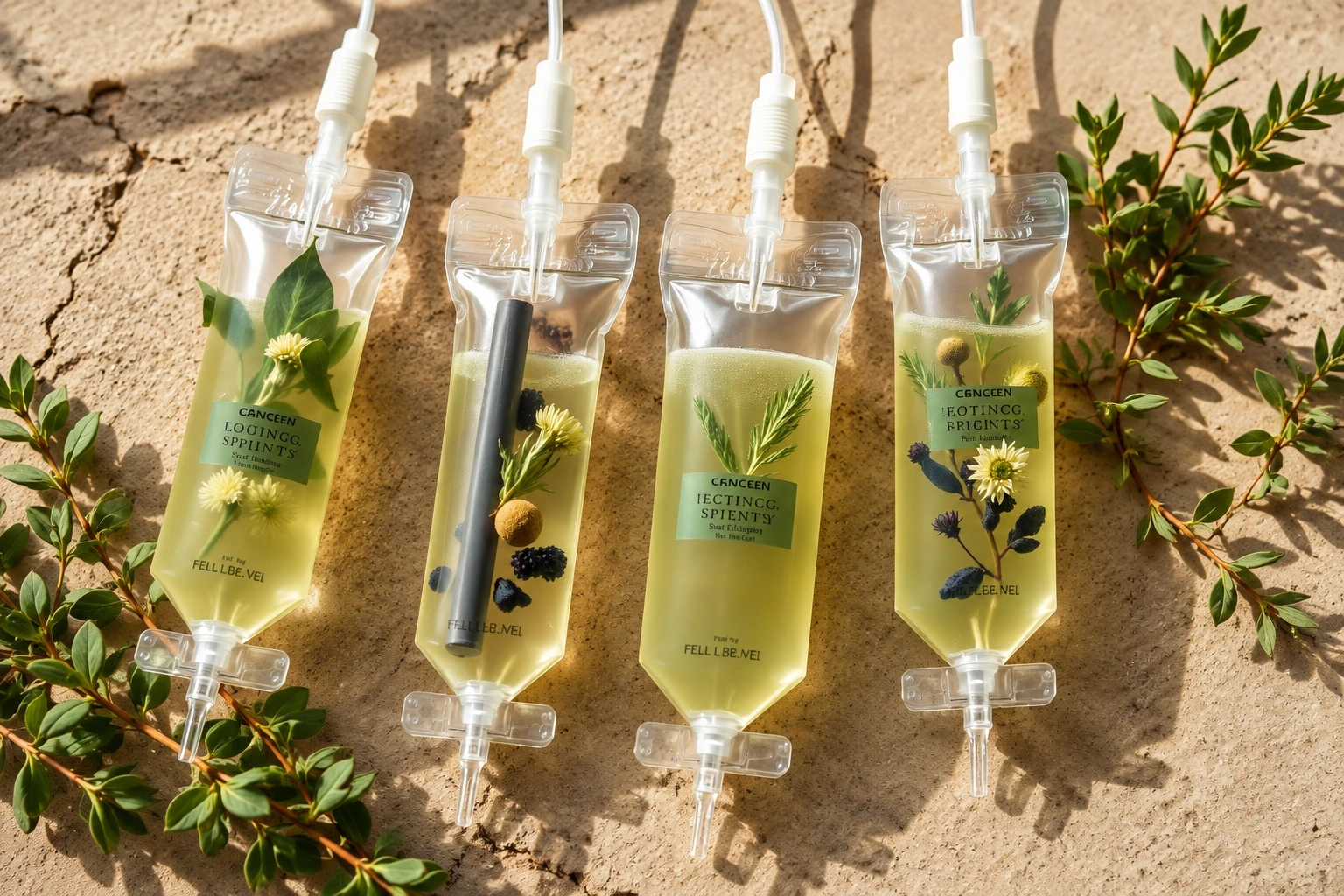
Wellness can look different from one person to another. For people across Central West NSW, staying hydrated, supporting recovery and making time for personal wellbeing can be difficult around busy routines. IV Drip Therapy has become a popular wellness option because it delivers fluids and selected nutrients directly into a vein under professional supervision. But what actually happens during an infusion, and what can people reasonably expect?
Unlike a drink or oral supplement, an intravenous infusion does not travel through the digestive system first. A qualified healthcare professional places a small cannula into a suitable vein, connects it to an IV bag and controls the flow. Depending on the treatment, IV Drip Therapy may contain fluids, vitamins, minerals or other selected nutrients based on individual suitability.
Understanding the process matters because IV Drip Therapy is a clinical procedure, not simply another wellness trend. The Australian Therapeutic Goods Administration (TGA) explains that IV drips can involve therapeutic substances such as fluids, vitamins and minerals and that these products and their supply are subject to Australian therapeutic-goods requirements.
What Is IV Drip Therapy?
IV Drip Therapy is an intravenous treatment in which a fluid solution is delivered directly into the bloodstream through a vein. The contents vary according to the treatment and the individual. Some infusions focus primarily on hydration, while others may contain selected vitamins, minerals or nutrients.
The Wellness Co Central West describes its approach as personalized, with treatment options designed around hydration, recovery, energy and general wellness. Its service information states that appointments begin with discussion of health history, goals and suitability rather than assuming that one formula is appropriate for everyone.
This personalized approach is important because intravenous treatment is not automatically suitable for every person or every wellness goal.
How Does IV Drip Therapy Work?
The process is relatively straightforward, although it should always be performed by an appropriately qualified healthcare professional. IV Drip Therapy begins with a professional assessment to ensure the treatment is suitable.
First, the practitioner discusses your health history, current needs and treatment goals. They can then determine whether an infusion is appropriate and explain what the selected treatment involves.
If suitable, a sterile cannula is inserted into a vein, usually in the arm or hand. The IV bag is connected through sterile tubing, and the solution flows gradually into the bloodstream. The practitioner monitors the session and can respond if you feel uncomfortable or develop a reaction.
Once the infusion is complete, the cannula is removed and the area is checked. You may also receive aftercare information based on the treatment provided.
The key difference between IV hydration therapy and drinking fluids is the route of administration. IV fluids enter the circulation directly, whereas oral fluids pass through the gastrointestinal system. That does not mean an IV is automatically better. The appropriate option depends on the person, the reason for treatment and professional clinical judgement.
What Can an Infusion Contain?
There is no single universal IV formula. An infusion may be designed around hydration or may contain selected nutrients. This is where terms such as IV vitamin therapy, vitamin infusion therapy and nutrient infusion therapy are commonly used.
The Wellness Co Central West currently describes hydration, wellness, recovery, energy-support and vitamin IV treatments. The exact formulation should be discussed with the treating professional rather than assumed from a treatment name.
|
Treatment focus |
What it may involve | Why people may choose it |
| Hydration | Fluids and selected electrolytes where appropriate |
Support fluid intake |
|
Wellness |
Selected vitamins or nutrients | General wellness support |
| Recovery | Fluids and selected nutrients |
Support after demanding periods |
|
Energy support |
Selected nutrients | General wellness and fatigue support |
| Vitamin therapy | Selected vitamins and nutrients |
Nutrient support where appropriate |
What Are the Potential IV Drip Therapy Benefits?
One reason people consider IV Drip Therapy is convenience. A supervised infusion can provide fluids directly through a vein when intravenous fluid replacement is appropriate. It may appeal to people who want professional hydration support around demanding schedules, travel or exercise.
However, the IV drip therapy benefits should be described realistically. An infusion is not a universal treatment for tiredness, illness, ageing or chronic health conditions. The outcome depends on the ingredients, the individual receiving them and the reason the treatment is being used.
Some people may also choose IV wellness therapy as part of a broader self-care routine. In this context, the emphasis should be on professionally administered support rather than promises of dramatic or guaranteed results.
Potential advantages can include direct delivery of fluids, professional supervision and an individualized approach. Where a person has a diagnosed nutritional deficiency or another medical reason that makes intravenous treatment appropriate, an infusion may form part of legitimate clinical care.
IV Hydration Treatment vs Oral Supplements
It is easy to assume that faster delivery automatically means greater benefit. In practice, that is too simplistic.
Oral nutrition remains appropriate for many healthy people and is generally more convenient for everyday dietary needs. Intravenous treatment is more invasive and requires professional administration.
IV Drip Therapy may be considered when there is a suitable reason for intravenous delivery. A consultation helps determine whether the proposed treatment fits your needs rather than treating an IV infusion as a replacement for balanced food, ordinary hydration, sleep or medical care.
Safety and Professional Assessment
Safety should be part of the conversation before any IV treatment. Inserting a cannula can cause temporary discomfort, bruising or irritation. Other risks can include infection, inflammation of the vein or a reaction to an ingredient. Risks can also vary according to the substances used and the person’s medical circumstances.
For that reason, disclose relevant health information, medicines, allergies and other treatments to the practitioner. If you are uncertain whether an infusion is appropriate, ask for a professional assessment before proceeding.
The TGA’s current guidance is particularly useful for understanding the Australian regulatory environment. Its 2026 guidance explains that IV drips may combine a health service with a therapeutic good and that compounded IV therapy products must meet applicable legal requirements. The TGA also states that compounded medicines are not individually evaluated for safety, quality and efficacy in the same way as approved medicines.
For more information, see the TGA’s official IV Drip Therapy Guidance on compounded medicines and IV therapy. This does not mean every infusion is unsafe. It means consumers should choose providers who take regulation, professional practice, hygiene and product quality seriously.
Who May Consider IV Drip Therapy?
People approach IV Drip Therapy for different reasons, including hydration support, recovery after demanding periods, general wellness or selected nutrient support.
The important question is not simply whether someone wants an infusion, but whether it is suitable for them. A professional consultation can help identify circumstances where intravenous treatment may not be appropriate or where another form of care makes more sense.
People with complex medical needs should discuss intravenous treatments with their usual healthcare professional before booking.
What Makes a Responsible IV Service?
Choosing a provider is just as important as choosing a treatment. A responsible service should explain what is being administered, check suitability, use appropriate sterile procedures and provide access to qualified healthcare professionals. When considering IV Drip Therapy, these factors can help you make a more informed decision.
A provider should also avoid exaggerated promises. Claims that an infusion can cure serious diseases, replace medical treatment or guarantee a particular health result should be treated with caution. Evidence, individual assessment and clear communication are more useful than marketing hype.
For people in Central West NSW, The Wellness Co provides clinic appointments and mobile services in selected locations. Its website states that treatments are administered by qualified healthcare professionals and tailored to individual needs. Listed service areas include Forbes, Orange, Bathurst, Dubbo, Parkes and surrounding Central West communities.
Why Personalization Matters
Two people can arrive with similar goals but have very different health backgrounds. One may mainly want hydration support, while another may be considering nutrient support.
This is why a standardized, one-size-fits-all approach can be misleading. IV Drip Therapy should be selected after discussing the person’s needs and suitability.
The practitioner can explain the treatment, answer questions and outline what to expect. This also gives you an opportunity to clarify the ingredients and understand why they have been included.
What to Expect During a Session
Before starting, you should have an opportunity to discuss your goals and health history. Once the treatment is considered suitable, the practitioner prepares the equipment and inserts the cannula. During IV Drip Therapy, the infusion then runs at a controlled rate while you remain seated comfortably.
During the session, tell the practitioner if you experience pain, swelling, dizziness, nausea or anything else that feels unusual. After the infusion, the cannula is removed and basic aftercare information can be provided.
Mobile services can add another layer of convenience for suitable clients. The Wellness Co states that selected mobile appointments can be provided at suitable private locations such as homes, workplaces, accommodation or event spaces.
Making an Informed Choice in Central West NSW
For residents of Central West NSW, accessibility can be a practical consideration. A professional service can reduce the need to travel to a major city for an appointment, while mobile options may suit people with demanding schedules.
Still, convenience should never replace clinical judgement. Before booking IV Drip Therapy, ask what the treatment contains, who administers it, how suitability is assessed and what potential risks apply.
You can also ask whether your goal would be better addressed through ordinary hydration, nutrition, rest or appropriate medical care.
Questions Worth Asking Before Treatment
- What does the proposed infusion contain, and why has it been selected?
- Who will administer the treatment, and what professional qualifications do they hold?
- Has my health history and current medication been considered?
- What should I expect during and after the infusion?
- What potential risks or side effects should I know about?
Conclusion
IV Drip Therapy can be a convenient way to receive fluids and selected nutrients through intravenous administration, but its value depends on the individual and the reason for treatment. The strongest approach is informed rather than promotional: understand the process, ask questions, review the ingredients and make sure the service is delivered by qualified healthcare professionals.
For people exploring wellness options in Central West NSW, The Wellness Co provides personalized IV services with clinics and selected mobile appointments. If you want to understand whether an infusion is suitable for your goals, explore the IV Drip Therapy service or contact The Wellness Co Central West to discuss your options and book an appointment.
Frequently Asked Questions
1. How long does IV Drip Therapy take?
Treatment time varies according to the selected infusion and individual circumstances. Your practitioner can explain the expected duration before the session begins.
2. Is IV Drip Therapy the same as IV hydration?
They can overlap, but the terms are not identical. IV hydration generally focuses on fluids, while an infusion may also include selected vitamins, minerals or other nutrients.
3. Can IV therapy replace drinking water and eating a balanced diet?
No. Intravenous treatment should not be viewed as a replacement for normal hydration, nutritious food, sleep or appropriate medical care.
4. Is IV vitamin therapy suitable for everyone?
No. Suitability depends on health history, current medicines, allergies, treatment goals and the specific infusion. Professional assessment is important before treatment.
5. Where can I access IV services in Central West NSW?
The Wellness Co provides professional IV services across selected Central West locations, including clinic and mobile options. Contact the provider to confirm availability in your area.