

Ever heard about those trendy IV drips for wellness? You might have friends in Orange or Bathurst raving about IV hydration therapy after a big night or marathon. IV infusion is essentially a hospital-style drip put to work for everyday wellness, a quick way to deliver fluids, electrolytes and vitamins straight into your bloodstream.
In this guide, we’ll cut through the hype (and the Aussie slang) to explain what IV infusion is, how it works, who it might help, and whether it’s safe. Think of it as chatting with a mate over coffee: friendly, casual and down-to-earth, but packed with the facts so you can decide if an IV drip treatment is right for you.
What is IV Infusion Therapy?
IV infusion therapy is simply giving fluids or nutrient “cocktails” through a tiny needle (cannula) into one of your veins. In practice, a qualified nurse or paramedic hangs a bag of saline and vitamins on a stand, inserts a catheter into your arm, and lets it drip in slowly. It’s the same basic setup hospitals use to treat dehydration or low blood pressure, but here the emphasis is on wellness support. You might hear it called IV hydration therapy, IV drip therapy, or intravenous infusion. Essentially, instead of chugging sports drinks or popping a vitamin pill, the fluids go straight into your bloodstream.
Imagine your body is a thirsty plant and this drip is like a super-efficient watering system: it bypasses the gut (and all the waiting) and delivers liquids, electrolytes (salts), and nutrients instantly. The advantage is speed and control. Nearly 100% of the fluid and vitamins go to work immediately. For example, the Cleveland Clinic notes that if you’re really dehydrated (say from a stomach bug, exercise or even a big night out), an IV drip “can quickly restore your body’s fluid levels while replenishing essential electrolytes.”.
-

- how to plan a workplace wellness IV therapy session
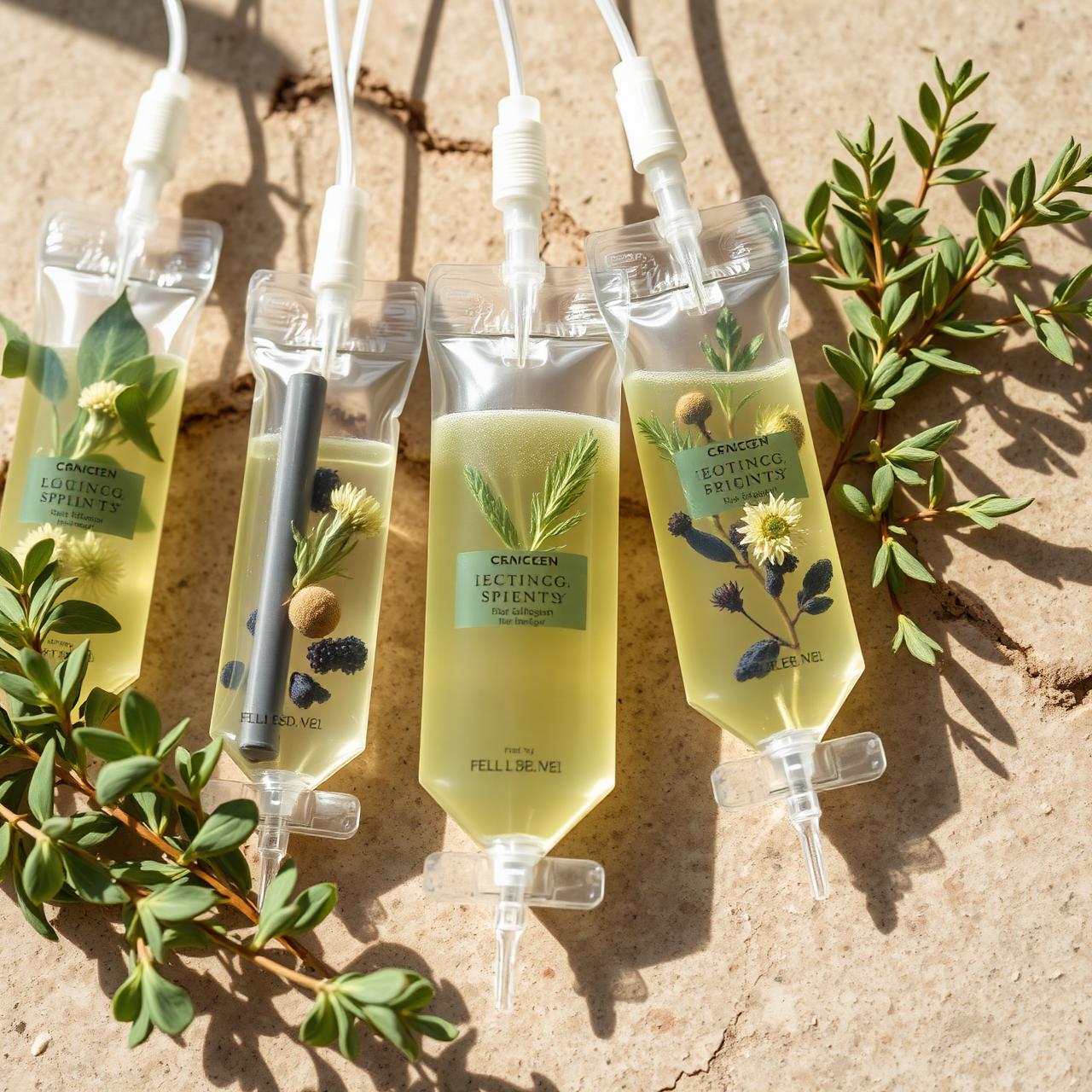
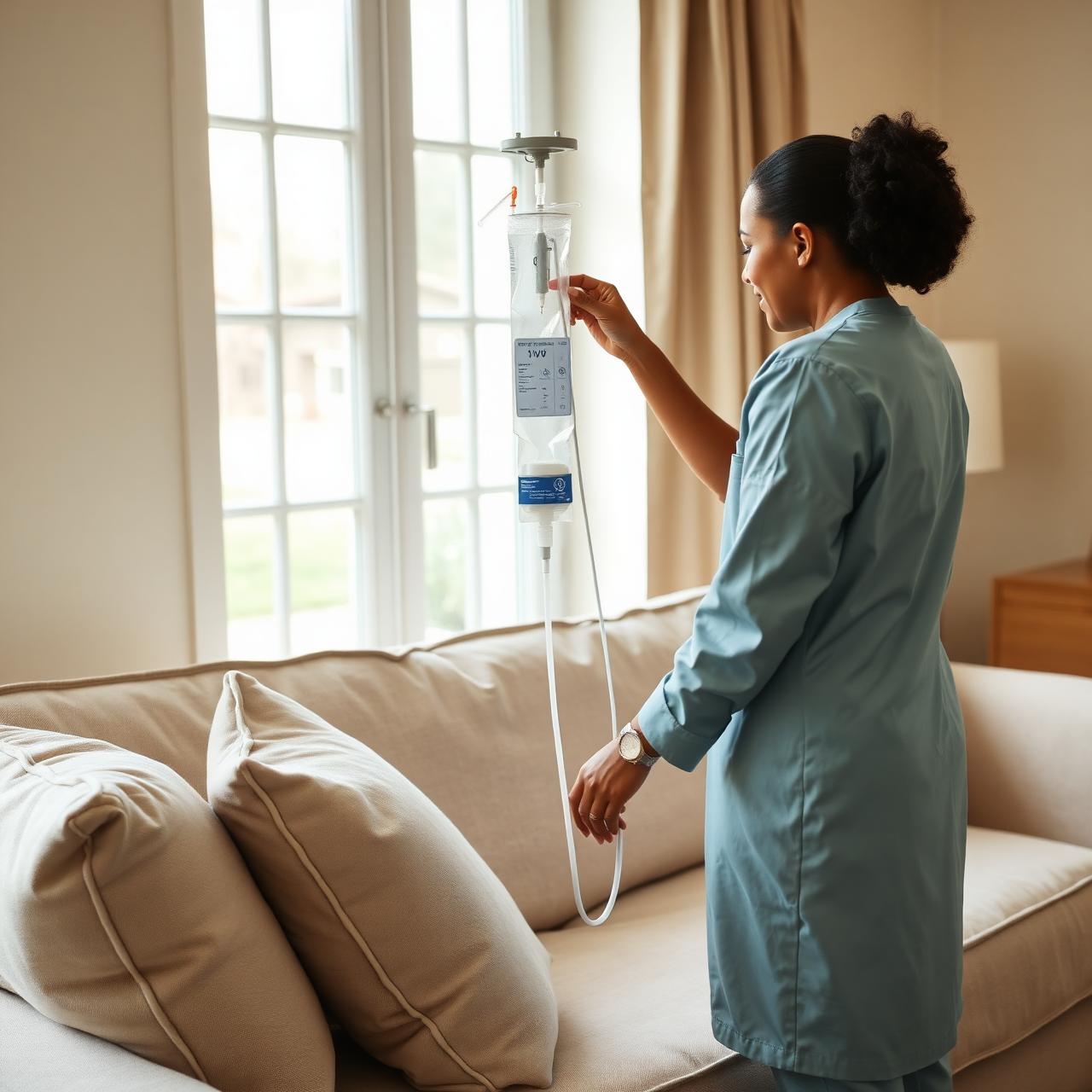
You’ll often see different names on the menu Hydration IV, Vitamin IV therapy, Wellness IV, Energy/Recovery IV but they all boil down to the same idea: saltwater plus extra ingredients for specific goals. Basic hydration drips are mostly sterile saline with added electrolytes (sodium, potassium) to top up fluids. Others mix in vitamins like B-complex, C or minerals like magnesium to target fatigue, immune support or “anti-ageing” (a term we’ll unpack). No matter the label, every IV infusion is given by a healthcare pro who monitors you the whole time for safety.
How Does IV Infusion Work?
Getting an IV infusion is a straightforward medical procedure. First, you’ll have a chat with the clinician about your health history and why you want an IV. Then you sit or recline comfortably. The nurse cleans your arm and inserts a small plastic tube (the IV line) into a vein. Through this line, the saline-plus-nutrients drip at a controlled rate. The whole session typically takes 30–60 minutes, depending on the formula and amount. During the drip, the nurse watches for any discomfort or reaction (such as a flushed feeling or lightheadedness), though complications are rare with qualified staff.
The science part is simple: because the solution goes directly into your blood, your body absorbs it almost 100%, unlike pills which only partially absorb through digestion. This means it can be a quick fix when you really need it. For instance, after a long flight or hard gym session, you might feel back to normal faster than if you’d just been sipping water. Onset is immediate the moment that IV enters, it’s already working.
The table below compares IV infusion to taking a vitamin drink or pills:
|
Feature |
IV Infusion |
Oral Supplements |
|
Absorption |
Nearly 100% (direct into bloodstream) |
Variable (depends on gut health/digestion) |
|
Onset |
Immediate (within minutes) |
Slower (over hours, with digestion) |
|
Supervision |
Administered by a healthcare professional |
Self-administered (no medical oversight) |
|
Use Case |
Rapid hydration, correcting deficiencies, acute recovery |
Daily maintenance, general health support |
|
Convenience |
Requires clinic or mobile service; setup time |
Over-the-counter; take anywhere, anytime |
|
Cost |
Higher (medical service & staff) |
Lower (pill cost) |
This shows why someone might choose an IV drip. You sacrifice a bit of convenience (you can’t just swallow a pill on the couch) for speed and precision. And the nurse is there the whole time a safety bonus not present when you pop a pill solo.
Common IV Drip Formulations
People often ask, “What’s actually in these IV bags?” The truth is, clinics can tailor mixes for different goals. Here are a few popular blends:
- Hydration IV: Mostly saline plus electrolytes (sodium, potassium). Great for after dehydration from illness, exercise or a big night out. It’s basically medical-grade rehydration on tap sometimes called a “hangover IV” since it can ease hangover symptoms by replacing lost fluids and salts quickly.
- Immune Boost IV Therapy: Packed with vitamin C, zinc, selenium and B vitamins. The idea is to support your immune system when you’re feeling run down or fighting a cold.
- Energy/Recovery IV: Contains a combo of B-complex vitamins, magnesium, calcium, and sometimes amino acids. Claimed to fight fatigue and muscle cramps. If you’re jet-lagged or crammed a week’s worth of work into 48 hours, this mix is marketed as a quick pick-me-up.
- Wellness/Beauty IV: Multivitamins (B & C), plus things like glutathione, biotin or antioxidants. Marketed for “skin and vitality” think glowing skin or anti-ageing. Again, science isn’t sold on the glowy-skin claim, but some people feel less tired or more vibrant after.
These formulas are like menu items, but remember your body can only use so much of each nutrient. Excess water-soluble vitamins (like C and B) just get flushed out in your urine once your body’s satisfied. So, if your diet is already good, an IV infusion won’t magically cure your wrinkles or fatigue, but it will make you very well hydrated and might give a psychological boost.
Who Might Benefit from IV Infusion?
So, who exactly is IV infusion for? It’s not a one-size-fits-all solution, but it can help in certain situations. You might consider an IV drip if you often feel chronically dehydrated or fatigued and regular fixes (water, sleep, vitamins) aren’t cutting it. Typical scenarios include:
- Busy Aussie lifestyles: Long workdays or shift work (especially in remote Central West towns) can leave you feeling drained. An IV infusion gives a rapid re-charge when you need it.
- Hangovers or stomach bugs: If vomiting or a pounding hangover means you can’t drink enough fluids, an IV hydration drip can help replace lost fluids and electrolytes fast. (However, if someone is severely dehydrated and confused, they should see a doctor immediately. Hospitals treat severe cases with IV fluids as a matter of course.)
- Intense training/recovery: Athletes or weekend warriors may use IV therapy after races or hard gym sessions to speed up recovery (though plain rest and hydration usually suffice for most).
- Nutrient deficiencies: In true medical cases severe B12, iron or vitamin C deficiency doctors have long used IV infusions because sometimes pills or diet can’t keep up. For example, one study notes that IV vitamin C is prescribed when a patient truly can’t absorb enough vitamin C orally.
- Travel fatigue: Jetlag or dehydration from flights can knock the wind out of you. An IV drip at your hotel might get your body clock and fluids back in line quicker.
- Just want a wellness boost: Some people book an IV drip when feeling “flat” after exams, big projects, or just to feel a bit brighter.
We all differ, so IV infusion isn’t strictly necessary for healthy young people, but it can be a useful tool. The Cleveland Clinic notes that IV therapy can boost hydration and deliver nutrients faster than oral methods. If you’re someone who must be on top of your game (think corporate deadlines or final exams), it’s like giving your body a little cheat code. For example, Dr. Melissa Young, a functional medicine specialist, personally reports feeling better after an IV drip when she’s run-down.
However, let’s not overhype it. If you already drink water, eat a balanced diet, and sleep well, an IV session won’t make you Superman overnight. The biggest benefit is hydration. Like a sports drink on steroids, it’s best for acute situations or when recovery is urgent. And always remember, IV infusion is a supplement to healthy habits, not a substitute for them.
Benefits vs. Hype: What the Evidence Says
It’s easy to get swept up in the marketing. But before you splash cash on an IV drip, consider what’s backed by science and what’s “bro-science.” The real benefit is rapid hydration. Everyone needs fluids; IVs just deliver them extra fast. Aloe Vera or coconut water can’t match that immediate effect. As a Cleveland Clinic report highlights, IV vitamin drips “deliver nutrients quickly and efficiently”, which can matter if you’re truly low (e.g., after vomiting all night).
On the flip side, the big claims fighting aging, major immune boosts, or detoxification are mostly anecdotal or placebo. In fact, Australian experts have warned that many salon IV drips have “not kept pace with their marketing”. As AHPRA notes, clinics offering “cocktails promising… anti-aging” should be honest about the limited evidence for those benefits. Even a Goop-loving diva like Gwyneth Paltrow can’t make the science change: researchers point out there are “no clinical studies” proving fancy IV vitamin cocktails improve health in well people. Most Vitamin C and B taken in an IV simply gets peed out when your body has enough.
That said, IVs are medically proven in certain cases. Hospitals use IV fluids to resuscitate very dehydrated patients. IV vitamin B12 and iron are standard treatments for specific deficiencies. If you have a diagnosed need and your doctor prescribes an IV, that’s evidence-based. Outside of that, most of the claimed benefits of clearer thinking, glowing skin, and turbo-charged immunity lack robust support.
In short: IV therapy is not a magic cure-all. It’s best thought of as a well-hydrated body’s equivalent of a premium fuel. If someone’s diet is already solid, you’re mostly paying for the convenience and supervision of the infusion. As health experts caution, if it sounds too good to be true (especially in one-shot spa sessions) it probably is. At best you’ll feel rehydrated and possibly invigorated; at worst, you’ll pay for expensive pee and a nice nap under supervision.
Safety and Regulations
How safe is IV infusion? When done by qualified professionals (as at The Wellness Co Central West), it’s generally very safe. But like any medical procedure, there are risks to acknowledge and rules to follow. The needle puncture can cause a bruise or local infection if sterility slips. Too-rapid vitamin infusion or overly large doses might cause nausea, dizziness or, rarely, more serious issues (some case reports even cite embolism or organ stress with extreme misuse). Always having a trained nurse or paramedic monitoring you means they can spot and stop any problem instantly.
In Australia, IV therapy providers must follow strict safety, professional, and advertising requirements. The Australian Health Practitioner Regulation Agency (AHPRA) Advertising Hub outlines the standards health practitioners must follow when promoting healthcare services, helping ensure patients receive accurate, evidence-based information rather than misleading claims.
Importantly, not everyone should get an IV drip. If you have serious health issues, IV therapy could be dangerous. Doctors advise avoiding IV vitamin therapies if you have heart disease, uncontrolled high blood pressure, kidney disease or if you’re pregnant. (Your doctor might also warn against it if you take certain medications, since interactions can happen.) In practice, clinics like ours screen clients carefully. We will ask about your medical conditions, medications and even do a quick blood pressure check before starting any infusion.
One more practical note: athletes bound by anti-doping rules should be aware that in Australia, athletes aren’t allowed to receive more than 100 mL IV fluids in 12 hours unless in a hospital setting (this is a WADA rule carried by Sport Integrity Australia). That’s not really an issue for wellness sessions, but worth knowing if you’re elite in sport.
In short, the safest IV infusion is one done by licensed professionals in line with government guidelines. Clinics like The Wellness Co Central West insist on sterile prep, qualified nurses/paramedics, and transparency about ingredients. If you ever feel unsure, trust your gut reputable providers will answer your questions clearly and even encourage you to consult your GP first. The rule of thumb: if you feel something is off (like they won’t tell you exactly what’s in the drip), walk away.
Mobile and Clinic IV Infusion in Central West NSW
One big perk of modern IV therapy is convenience. You don’t necessarily have to trek into a Sydney hospital. The Wellness Co Central West brings the clinic to you across the region. A trained nurse or paramedic can drop by your home, office, hotel or event with a portable IV setup. They carry sterilized saline bags, vitamins, tubing and all the gear. It’s like a “wellness party” for your body without the fuss of travel. For example, if you’re recovering in Orange after a work conference, a mobile IV technician can administer at-home IV infusion there and then. No driving needed.
Of course, there’s also the option of visiting our local clinic. We have a calm lounge space in Bathurst and Orange where you can get treatment on-site. Some people prefer to relax in our comfortable chairs, watch Netflix and sip tea while the drip runs. Others opt for the at-home experience. Either way, the process and safety standards are the same.
To make it easy, our service areas cover all the main Central West hubs: Dubbo, Orange, Parkes, Bathurst, Forbes and beyond. We also do group IV events (for bridal parties, sports teams, corporate wellness days) IV therapy for events? It’s a thing now! If you’re curious, you could imagine a small table with multiple IV chairs and a nurse juggling a few drips like a wizard. It’s become quite the wellness fad, but here’s a fact: whether solo or group, the underlying benefit is still hydration and nutrition support.
One more note on convenience: because we use regulated medical supplies, our “IV infusion for dehydration” is not just plain water, it’s a sterile saline electrolyte mix. That’s important. Drinking water is great, but when you’re truly dry (say after vomiting, diarrhoea or heavy exertion), an Electrolyte IV can speed recovery. However, remember that if dehydration is severe, the hospital is the right place. As a Healthdirect guide reminds us, severe dehydration needs urgent care, and in hospital “you will get fluids through an IV drip.” Our service is more for the earlier, non-emergency stage of dehydration or fatigue.
Conclusion
IV infusion therapy isn’t a magic wand, but it’s a cool tool in the wellness toolkit especially for busy Aussies in Central West NSW. It gives you lightning-fast hydration and nutrient delivery when you need a boost. We’ve seen that the real perks are about rehydration and convenience: you feel fluid-replenished quickly, often with a noticeable energy lift as your electrolytes balance out. It’s like plugging your body into a power charger. At the same time, science says not to expect miracles. The big claims (anti-aging, detox, etc.) have little hard proof. And it comes with responsibilities: stay informed about safety, ask questions, and use IV drips as a supplement to not a substitute for healthy habits.
Got the key takeaways? Here’s a quick recap: Who might try an IV infusion? Someone who’s dehydrated, super-tired or needs quick recovery (we’ve treated marathon runners and corporate road-warriors alike). What does it do? Primarily rapid hydration and high-dose vitamins directly to your blood, bypassing your gut. Why caution? Because only licensed pros should deliver IVs, and certain medical conditions (heart issues, pregnancy, kidney problems) usually rule it out. Also remember, if dehydration is life-threatening, hit the hospital IV infusion at home is not an emergency fix.
Whether IV infusion is “right for you” depends on your goals and health. If you’re curious and basically healthy, an occasional IV drip for hydration or a quick pick-me-up probably won’t hurt, and could feel like a spa day for your body. Just go in with realistic expectations: it’s a hydration and vitamin boost, not a guaranteed cure-all.
Have more questions or feel ready to recharge? Contact The Wellness Co Central West today. Our friendly paramedics and nurses are happy to chat about IV infusion therapy, explain what’s in each bag, and make sure it’s a good fit for you. Book an appointment (mobile or in-clinic) and take the next step towards feeling your best the safe, professional way. Call us or message us now to schedule your IV infusion session and give your wellness a genuine boost!
FAQs
What is IV infusion therapy and how does it work?
IV infusion therapy delivers fluids, electrolytes, and vitamins directly into your bloodstream through a small needle, allowing for faster absorption than oral supplements. A qualified healthcare professional administers and monitors the treatment, which typically takes 30–60 minutes.
How soon will I notice benefits from an IV vitamin infusion?
Many people notice improved hydration and feel more refreshed within minutes to an hour after treatment. The timing and results vary depending on your health, hydration levels, and the type of IV infusion you receive.
Is IV hydration therapy safe? What are the side effects?
IV hydration therapy is generally safe when provided by trained healthcare professionals using sterile equipment. Mild bruising or soreness can occur, while serious complications are rare when proper medical protocols are followed.
Who can benefit most from wellness IV therapy?
Wellness IV therapy may benefit busy professionals, athletes, travellers, or anyone recovering from dehydration, fatigue, or nutrient depletion. It is most effective for people with genuine hydration or nutritional needs and should complement, not replace, a healthy lifestyle.
Can I get IV infusion at home, and is it effective?
Yes, at-home IV infusion is a safe and convenient option when administered by qualified medical professionals. Mobile IV services provide the same hydration and nutrient benefits as clinic treatments while allowing you to receive care in the comfort of your home.