Imagine this: you just survived a big weekend festival, or you’ve been flat out with back-to-back Zoom calls, and by Monday morning you feel dehydrated and sluggish. Instead of guzzling water for hours, some Aussies are turning to IV drip therapy, a quick, “spa day for your bloodstream” to recharge.
Across Central West NSW IV Drip Therapy clinics and Mobile IV Therapy services are popping up, promising fast hydration and nutrient boosts. In this article, we’ll dive deep into IV drip therapy (aka intravenous infusion therapy), why it’s surging in popularity for health and wellness, what the science says, and how local providers like The Wellness Co Central West bring these treatments to you.
What Is IV Drip Therapy and How Does It Work?
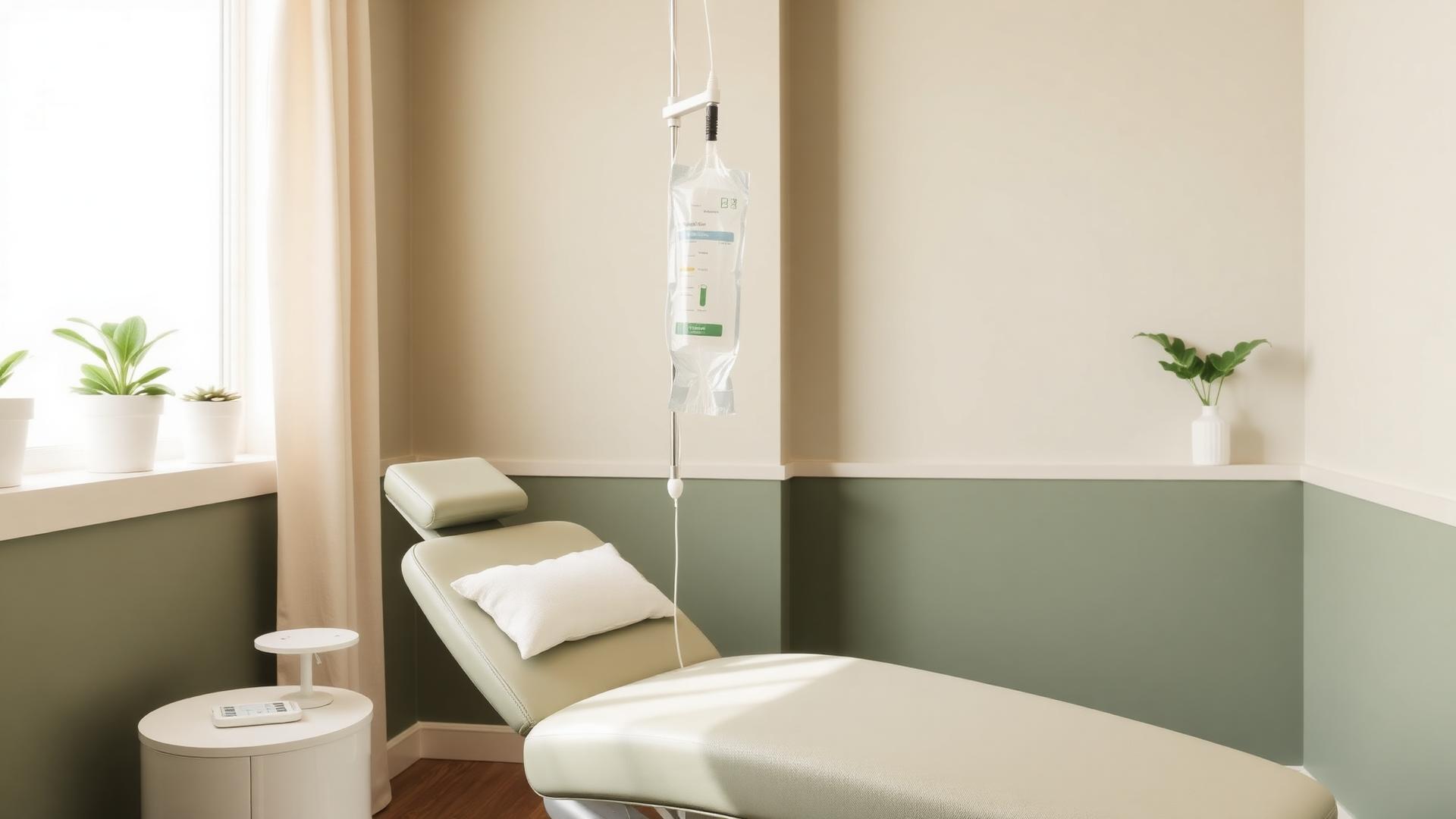
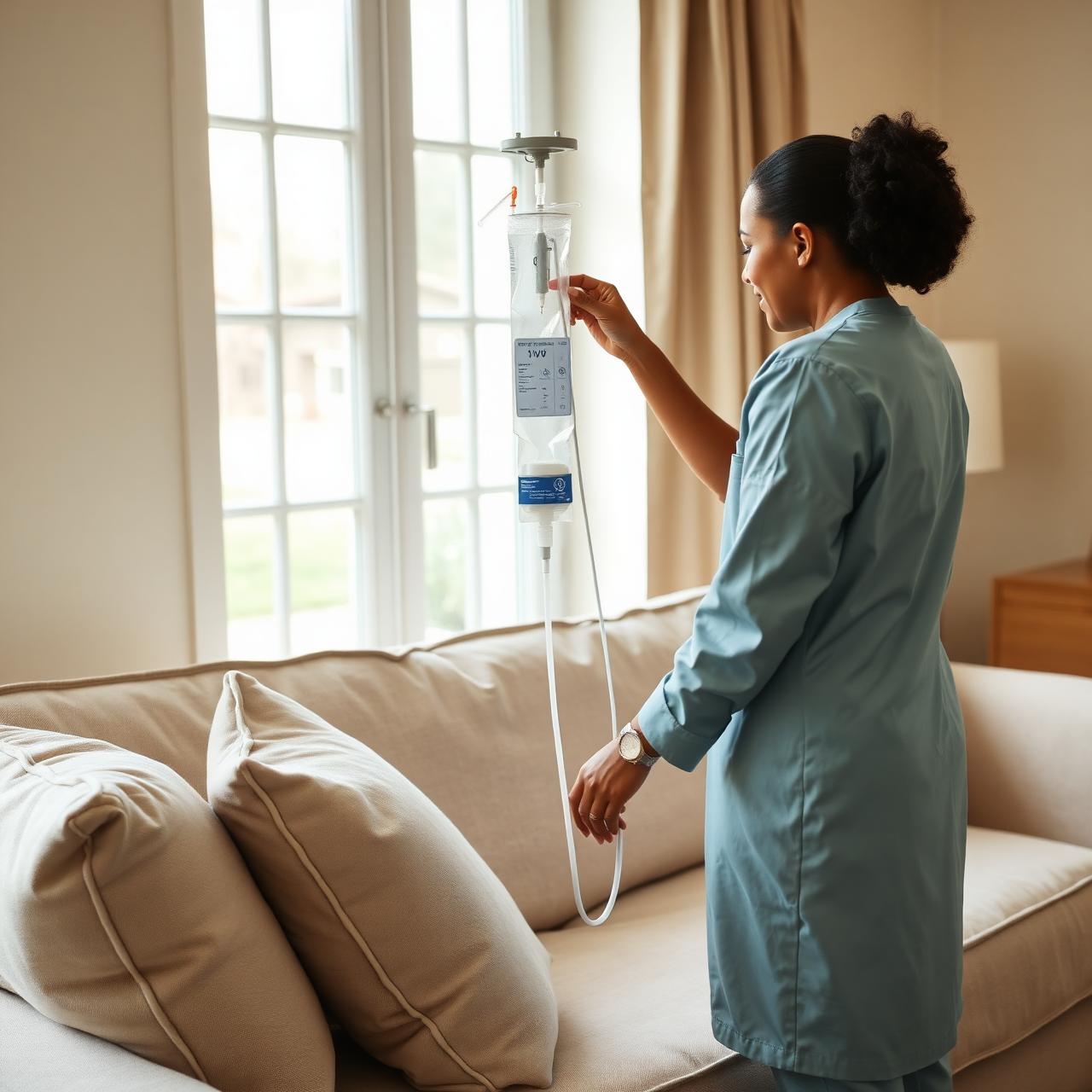
When you think “IV drip,” you might picture a hospital bed. But IV Drip Therapy for wellness is a gentle clinic or At Home IV Therapy treatment where fluids, vitamins and minerals are delivered directly into your bloodstream through a small needle. Unlike taking a vitamin pill or drinking water, IV therapy bypasses the gut and sends nutrients immediately to where your body can use them.
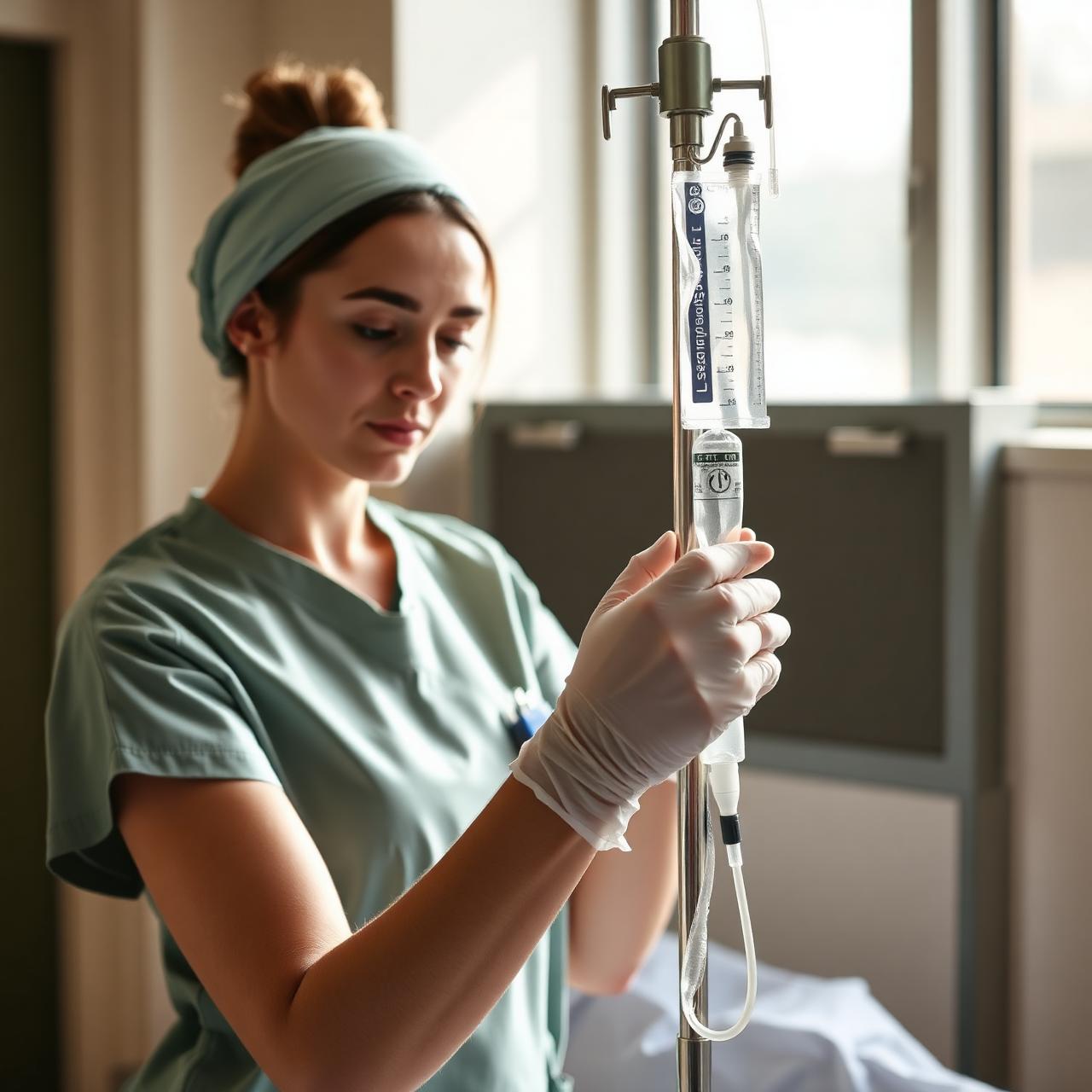
In practice, a certified nurse or paramedic starts an IV line (just a tiny needle) in your arm and attaches a bag of fluid. That fluid can be plain saline (salt water) or a “cocktail” of electrolytes and vitamins tailored to your needs. The drip usually takes 30–60 minutes.
Health clinics describe IV Wellness Therapy as “fast and effective” for giving your body hydration and nutrients. The idea is you feel the benefits sooner, because 100% of the infused fluids go straight into circulation (our gut absorbs far less). It’s not a magic cure, but think of it like refuelling your car with premium petrol. It’s a quick, efficient top-up. People choose IV Drip Therapy for all kinds of reasons, including Hydration IV Therapy, Vitamin IV Therapy, and overall wellness support.
Why Are IV Drips Becoming So Popular in Australia?
IV Drip Therapy has exploded out of hospitals and into the wellness world, becoming one of the fastest-growing IV Wellness trends in Australia. In fact, the Australian ABC News found IV vitamin drips have “boomed in popularity” in recent years. The craze has been fuelled by social media and celebrity endorsements (think Kendall Jenner and Hailey Bieber bragging about their drip sessions). But there are real-life Aussie stories too.
Bek, a Gold Coast mum, says she’s done IV infusions for years to help with chronic fatigue and “malabsorption” issues. She books Mobile IV Therapy sessions whenever she feels “flat or recovering from illness,” sometimes receiving At Home IV Therapy from a qualified healthcare professional. She says, “Instead of getting a facial, I feel like looking after my health from the inside out,” and “I definitely feel the differences” after a drip.
Across Australia, more clinics and mobile services are jumping on the trend. Mobile IV Therapy providers advertise the convenience of delivering professional treatments directly to your home, workplace, or events. Drip therapy appeals to busy young people who want results fast: hydration after a gym session, a vitamin kick during flu season, or a hair and skin glow-up pre-weekend. In fact, one Brisbane IV clinic reported bookings up 20% in the past year alone, reflecting a “broader shift towards more preventive health or regenerative medicine,” as one nurse put it.
-
- how to plan a workplace wellness IV therapy session
Consumers often talk about energy boosts, clearer thinking, better immunity, and faster recovery from fatigue or hangovers. In Melbourne and Sydney, some IV bar enthusiasts call it “liquid IV therapy” or “vitamin drip,” and they’ll sit in a lounge chair, Netflix on, while electrolytes drip in. It’s become trendy enough that even athletes are warned about doping: any IV infusion over 100 mL can trigger drug tests! The gist is: people see IV drips as a rapid “quick fix” for low energy or dehydration.
How Does IV Drip Therapy Compare to Drinking Water or Supplements?
Let’s break it down in a quick comparison:
| Feature | IV Drip Therapy | Drinking Water/Oral Supplements |
| Absorption | 100% (direct into blood) | Limited by digestion, some nutrients don’t absorb fully |
| Speed of Effect | Very fast effects can be felt quickly | Slower, depends on digestion and metabolism |
| Hydration Level | Immediate rehydration (useful if very dehydrated) | Gradual, usually best as daily habit |
| Convenience | Requires appointment (clinic or mobile) | Drink anytime, anywhere |
| Professional Oversight | Administered by trained nurse/medic | Self-administered |
| Safety Monitoring | Vital signs checked, sterile setup | Safe if done with clean water/supplements |
This comparison shows why some people feel IV therapy is appealing: you get a big hydration and nutrient “hit” all at once. For example, IV drips often include saline plus electrolytes (like sodium and potassium) and vitamins (such as vitamin C and B-complex) for rapid rehydration. By contrast, even if you drink 3 liters of water after exercise, it takes time to distribute.
HealthScreen notes that IV Drip Therapy, by bypassing the gut, ensures maximum absorption and quicker results” for recovery, energy and wellness. For instance, if someone is severely dehydrated or has low blood pressure, an IV can restore fluids and electrolytes much more quickly than drinking. Similarly, high-dose vitamin C IVs can temporarily flood your blood with antioxidants in ways oral pills often can’t match (though science on benefits is still developing).
However, it’s not that you should ditch water altogether. In fact, Australian health experts emphasize basic hydration. According to Healthdirect Australia’s hydration advice, staying adequately hydrated every day is essential for overall health and wellbeing. The Better Health Channel also advises we should all be sipping enough daily water, since we lose 2.5 – 3 litres a day just breathing and sweating. Healthdirect Australia specifically recommends about 2.6 litres (10 cups) of fluids daily for adult men and 2.1 litres (8 cups) for women. In normal life, drinking water and eating fruits/veggies is usually sufficient. IV drips are more like a concentrated supplement, not a first-line daily habit.
That said, IV hydration isn’t meant to replace everyday fluids. Think of a drip as a booster on top of good habits. One local RN put it well: “IV drips did not replace a healthy diet, regular exercise or traditional medical treatments,” but they may form part of a broader wellness plan. As an Aussie colleague joked, “IV fluids are basically just nice saline, you’d be just as well off drinking water,” echoing the Australian Medical Association’s cautious stance.
Claimed Benefits of IV Drip Therapy
Advocates list a bunch of potential perks, often blending science with a dose of wellness hype. Here are some of the main claims:
- Rapid Rehydration: After vomiting, diarrhea, a sweaty gym workout, or a long flight, IV therapy can quickly restore fluid balance. For example, athletes and festival-goers use “Hydration IV Therapy” to feel topped up in an hour.
- Vitamin and Mineral Boost: Infusions may include nutrients like vitamin C, B vitamins, magnesium, zinc and more. Fans say this can support immunity and energy. Some point to the classic Myer’s Cocktail (a mix of vitamins B, C, calcium, magnesium) said to ease fatigue. IV advocates believe this flood of micronutrients can support cell repair and metabolic functions.
- Immune Support: By giving high-dose vitamin C or zinc directly, IVs claim to fend off colds/flu faster than pills. (Although experts note that robust evidence is still limited, many customers anecdotally report feeling more resilient.)
- Faster Recovery: Whether fighting a bug or recovering from a heavy night, an IV cocktail is marketed as a fast recovery booster, helping to replenish what the body used up.
- Beauty & Energy: IV “anti-ageing” drips often tout glutathione or collagen precursors for skin and hair health. And energy formulas might pack extra B12 or magnesium to reduce fatigue.
Basically, IV therapy promises to deliver exactly what your body needs, when you think it’s running low. Unlike swallowing a pile of pills (some of which may not fully absorb), the infusion route ensures every drop counts. As HealthScreen’s marketing puts it, the nutrients become “immediately available” to the body not waiting for digestion.
Do these benefits pan out? Some clinical insight: IV therapy is undeniably effective for treating dehydration in hospitals (it’s standard practice). It can replenish nutrients in situations like chemotherapy or severe deficiencies. But many of the wellness claims (preventing aging, supercharging immunity) are still debated. Luigi Fontana, a Sydney professor, pointed out that there are no robust studies proving those flashy benefits for healthy people. In other words, science has yet to fully catch up with the trend. However, the lack of evidence doesn’t mean people don’t feel better after a drip subjective improvements in alertness or mood are often reported.
What Happens in an IV Drip Session? Is It Safe?
For first-timers, an IV session is straightforward. You’ll meet a qualified nurse or paramedic (The Wellness Co Central West even sends nurses to your home when you book their Mobile IV Therapy or At Home IV Therapy service). They’ll review your health history and discuss your goals: hydration, energy, immune boost, etc.. Then, lying comfortably, an IV line is started (some feel a tiny pinch, then nothing). You’ll sit back for about 30–60 minutes while the drip flows. Many people relax with music, reading or chatting. It’s often called a meditative experience. Afterwards, you might feel noticeably more hydrated, which many describe as a subtle energy lift or reduced fogginess.
Safety is top priority. All Professional IV Therapy Central West NSW providers use sterile equipment and qualified healthcare professionals. Side effects are generally mild (one UK study noted headache or a bit of nausea in rare cases). However, IV therapy is not risk-free. The AMA warns of possible complications like infection, vein irritation, or in extreme cases, mineral imbalances if done incorrectly. That’s why it’s crucial the treatment is supervised by a health professional and that pre-screening is done. In regulated clinics (like The Wellness Co Central West), they’ll explain the procedure and monitor you throughout.
On the regulatory side, Australian authorities are watching closely. The Therapeutic Goods Administration (TGA) enforces strict advertising rules for IV products. In fact, the TGA fined one IV provider $160,000 in 2023 for exaggerated claims of “miraculous” benefits.
The Australian Health Practitioner Regulation Agency (AHPRA) also warned in 2022 that many “wellness” IVs were being marketed without medical justification. As a result, reputable clinics are careful: they emphasize IV drips as supplements to a healthy lifestyle, not cures. For example, a nurse in Brisbane noted, “It’s more a wellness service” and never a replacement for diet and exercise.
In short, when done by professionals, IV therapy is relatively safe. But it should be approached thoughtfully: consult your GP if unsure, follow guidelines, and keep basic hydration habits in place (remember, official guidance still highlights drinking water as fundamental). As Dr. McMullen of the AMA quipped, “You’d be just as well off drinking a glass of water” most of the time but for those looking for that extra edge, IVs offer an option under medical oversight.
IV Therapy Options in Central West NSW
Living in Central West NSW (from Bathurst to Orange to Dubbo), you’re in luck: IV wellness is no longer just a big-city thing. Local providers like The Wellness Co Central West offer a suite of treatments right here, with clinic appointments and mobile IV therapy across the region. You can book at a friendly clinic or have an RN show up at your home or workplace. They even cater to events like hydration at a sporting recovery day or a mobile drip bar for small group wellness sessions.
Common IV “cocktails” available locally include:
- Hydration Drip: Saline with electrolytes great after intense exercise or travel fatigue.
- Vitamin Boost: Add-ons like Vitamin C, B’s and zinc for immune support.
- Energy/Recovery Blend: B-vitamins and amino acids to fight tiredness.
- Wellness Drip: Custom mixes (sometimes with glutathione or NAD+) aimed at overall vitality or skin health.
For example, The Wellness Co advertises a Hydration IV Therapy that “supports your body’s fluid levels” when you’re run down from work or travel. It’s delivered “in a calm, professional environment” or at home. They stress safety: every IV is overseen by qualified healthcare professionals. Their list of service towns in the Central West is impressive (Bathurst, Mudgee, Orange, Dubbo, and more), showing how this wellness wave has reached even rural Australia.
Of course, prices vary (and by rule we won’t quote them here), but clinics often package drips with a health consult. Some Aussies even make it a regular ritual every few weeks or monthly as part of a preventive health routine.
Potential Downsides and Things to Consider
IV drip therapy can be appealing, but it’s not perfect. Here are some cautions to keep in mind:
- Cost and Commitment: Treatments can range from a couple of hundred dollars upward. Budget for it if you make it regular. Also, it does take 30–60 minutes per session, plus any travel time if at a clinic.
- Not a Cure-All: As the AMA and experts stress, IV drips rarely replace basic health practices. They work best alongside a balanced diet, exercise and good sleep. If you have an underlying medical issue (like iron-deficiency or digestive problems), an IV might help symptomatically but won’t fix the root cause.
- Medical Oversight: Always use licensed providers. There have been unscrupulous “IV bars” with unqualified staff. Stick to clinics with real nurses and reputable medicine. In Central West NSW, providers like The Wellness Co highlight that credentialing as a selling point.
- Regulation and Advice: Keep an eye on official advice. Australian regulators continue to caution that many IV therapies lack proof. If something sounds too good to be true (e.g. claims it can cure chronic disease), be skeptical.
On the plus side, if you approach IV therapy sensibly as a supplement for hydration and nutrients it can be a beneficial tool. Think of it as giving your body a little holiday home visit: efficient, supervised, and tailored to what you need at that moment.
Conclusion
IV drip therapy is clearly more than a fad: it’s a growing health trend in Australia, even in regional areas like Central West NSW. By delivering fluids and nutrients straight into the bloodstream, it offers a fast-track way to rehydrate and get a vitamin boost, which many busy Aussies find appealing. People choose IV drips for everything from fighting fatigue and hangovers to supporting immunity and recovery. However, medical experts remind us to be cautious: robust scientific proof of all the fancy wellness claims is still lacking, and basic hydration (drinking water!) remains essential.
In summary, If you’re curious about IV Drip Therapy, Professional IV Therapy Central West NSW services provide a safe and convenient way to improve hydration and wellness. Australian regulations ensure clinics meet safety standards, but always ask about qualifications and substances used. And remember, the real foundation of wellness is still good diet, regular exercise and plenty of water.
If you’re in the Central West NSW area and want to explore IV hydration or vitamin therapy, consider consulting local professionals. The Wellness Co Central West offers clinic-based IV Drip Therapy, Mobile IV Therapy, At Home IV Therapy, Hydration IV Therapy, and Vitamin IV Therapy Central West NSW, tailored to your individual wellness needs. Getting an appointment is easy, and you can discuss your goals with a registered nurse beforehand.
Ready to feel refreshed? Contact The Wellness Co Central West today to learn more about safe, professional IV drip therapy in your area. Whether you need a hydration boost after a long week or a customized vitamin infusion for your wellness routine, their qualified team can guide you. Book an appointment or inquiry, and take the first step towards better hydration and vitality with IV therapy in Central West NSW!
FAQs
What does IV drip therapy do?
IV drip therapy delivers fluids, vitamins, and minerals directly into your bloodstream for fast absorption. It can help restore hydration, replenish essential nutrients, and support energy levels, making it a popular wellness option alongside a healthy lifestyle.
Is IV drip therapy safe?
Yes, IV drip therapy is generally safe when administered by qualified healthcare professionals using sterile clinical practices. Before treatment, your provider will review your medical history to ensure the therapy is suitable for your individual needs.
How long does a session take and when will I feel better?
Most IV drip therapy sessions take between 30 and 60 minutes. Many people notice improved hydration and energy shortly after treatment, while others experience the benefits within a few hours, depending on their health and the type of infusion received.
Can I get an IV drip at home?
Yes. Many providers, including The Wellness Co Central West, offer Mobile IV Therapy throughout Central West NSW. A qualified healthcare professional can administer your treatment safely in the comfort of your home, workplace, or accommodation.
Who should avoid IV drip therapy?
IV drip therapy isn’t suitable for everyone. People with certain heart or kidney conditions, allergies to infusion ingredients, or other underlying medical concerns should seek medical advice before treatment. Always discuss your health history with your provider to determine if IV therapy is right for you.